


A pet cancer diagnosis can feel scary, overwhelming and devastating. Your veterinary care team understands these emotions, as well as your concerns about the future and the anxiety you might feel about treatment options. The good news is that advances in veterinary oncology result in cancer remission for many pets and improve their quality and quantity of life. If your furry family member has been diagnosed with cancer, this article can help guide you through the journey.
Pet Cancer Diagnosis
To diagnose cancer in your pet, your veterinarian will start by asking about any signs or symptoms you may have noticed. As with humans, there are lots of different cancers that can affect pets, with a wide range of potential signs and symptoms. As a general rule of thumb, you should visit your vet whenever you see a change in your pet’s appearance, behaviour, or general wellbeing.
Your vet will confirm or rule out cancer by evaluating your pet’s overall health and running some tests. Preliminary testing often includes blood and urine tests, microscopic evaluation of cells or samples from any tumours, and imaging studies such as radiographs (X-rays) and ultrasounds. These tests provide basic information about your pet's health and help determine if cancer is present, the type of cancer and whether it has spread to other organs. This information allows your vet, or a vet certified in veterinary oncology, to give you a prognosis and recommend treatment.


Tasty Tips
Pet Cancer Treatment
The available pet cancer treatment options are much the same as cancer treatments for humans. The main difference is that pets tend to have fewer negative side effects with chemotherapy; they rarely experience nausea or lose their hair. Your pet is likely to have a better chance of survival if you follow the treatment plan laid out by your vet, which can include one or more of the following therapies.
Surgery
Surgery is used to remove cancerous growths and may be curative with some cancers, such as in complete removal of a low-grade mast cell tumour. Surgery can also be used in conjunction with other treatments to completely remove cancer from your pet's body.
Chemotherapy
This method uses medication to kill cancer cells and is part of most cancer treatment plans. Chemotherapy drugs can be taken orally in pill form or administered intravenously (into a vein) by a veterinary professional.
Radiation
Radiation is used to shrink tumours before surgery, kill cancer cells that are left behind after surgery, and slow down cancer growth in parts of the body where surgery isn't possible — in the nose, for example. Pets usually require several doses of radiation. Keep in mind that radiation centres are typically only available in highly specialised veterinary hospitals, and may involve high costs.
Immunotherapy
Immunotherapy uses a vaccine to stimulate a pet's immune system to fight off cancer cells. This therapy is used in canine melanoma and is being explored as an option to treat osteosarcoma.
Palliative Care
Pet cancer can't always be cured. Palliative care focuses on maximising your pet's quality of life during the time they have. This may involve controlling pain, minimising nausea and helping you understand when it's time to say goodbye. Palliative surgery may be used to stop pain, especially in dogs diagnosed with bone cancer. Also, good nutrition is essential during palliative care, so it’s important to have a conversation with your veterinarian to discuss diet and nutritional needs for your pet. The silver lining is that palliative care can often provide weeks to months of quality, pain-free time with your pet that you might not have otherwise had — and that's truly precious.
What to Expect When Your Pet Has Cancer
Depending on the type of cancer your pet has, their overall health and age, and the treatments they're receiving, there may be some changes at home. For example:
- If your pet has had surgery, they'll need time and at-home care to recover.
- Your pet may sleep more and eat less if they have a type of cancer that causes loss of appetite or energy. Don't push them to exercise, and let them self-regulate their activity. If you have a dog, continue to take them outside daily for fresh air and sunshine. If your pet isn't eating, your vet may prescribe an appetite stimulant or change their food.
- If your pet has brain cancer, you might notice changes in cognition such as loss of learned behaviours. They may also develop seizures, which will need to be managed with medication.
- Cancer or cancer treatments can sometimes cause urine or bowel control issues. Your pet may need to relieve themselves more often as a result, and may be more prone to accidents in the home.
- Expect frequent veterinary visits. If your pet is receiving treatment, your vet will need to do additional testing during and after treatment to assess how well it's working. Treatment can be costly, so if you have pet insurance, be sure to have a discussion with your provider at the earliest opportunity to understand what your policy covers.
When your pet is under palliative care, it can be hard to know when they need veterinary intervention and when it's time to say goodbye. The PDSA has a quality-of-life assessment checklist that may help.
The concept of caregiver burden in humans caring for other sick humans is well documented, but according to research discussed in the British Medical Journal, it's also a very real problem faced by people who are caring for chronically or terminally ill pets. If you're the caregiver, take care of yourself and enlist support where you can.
A pet cancer diagnosis can be overwhelming, but your vet is here to help you navigate the process. Grieving is also a normal part of dealing with pet cancer. If you're struggling, consider reaching out for support so you can make the most of the time you have left with your precious pet.

Related products
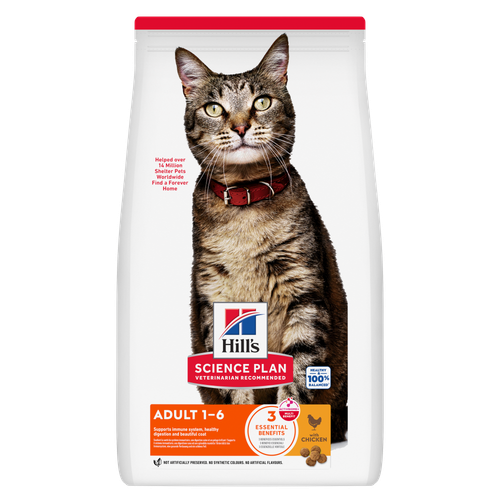
Adult Cat Food
Hill's Science Plan Adult Cat Food with Chicken is a complete pet food, specially formulated with ActivBiome+ Multi-Benefit Technology.
This food is specially formulated to fuel the energy needs of cats during the prime of their life.
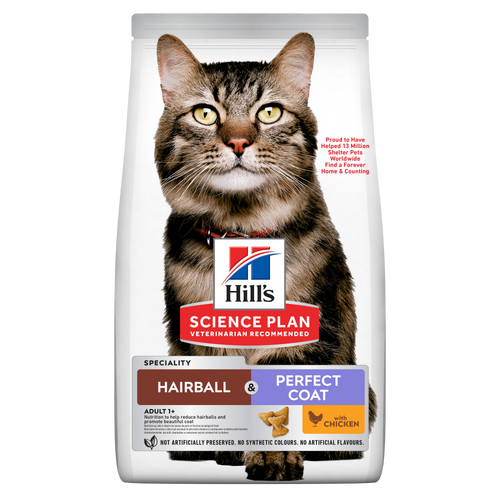
Hairball & Perfect Coat Adult Cat Food
Hill's Science Plan HAIRBALL & PERFECT COAT Adult cat food with Chicken is specially formulated to effectively help avoid hairball formation in adult cats while promoting a beautiful coat. Thanks to its mix of essential Omega-6 fatty acids, this food benefits the cat's skin and fur keeping them healthy and shiny. Our Advanced Fibre Technology helps reduce hairballs by naturally promoting their passage through the gut. This food is formulated with high-quality protein for a perfectly balanced, great-tasting recipe.
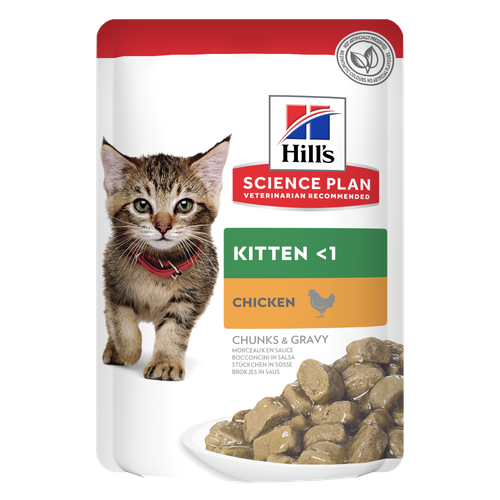
Kitten Food
Hill's Science Plan Kitten Wet Cat Food Premium Chunks in Sauce with Chicken is a complete pet food for kittens and for pregnant or nursing cats
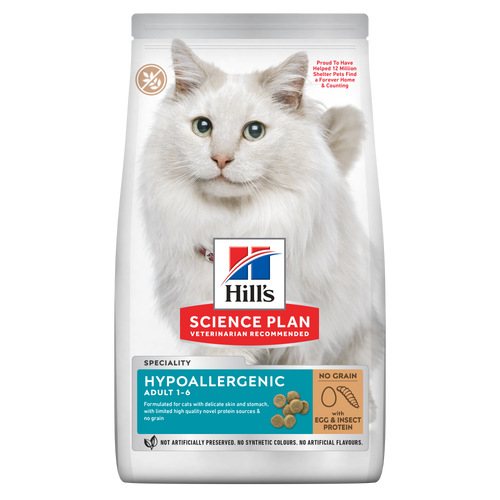
Hypoallergenic Dry Cat Food
HILL'S SCIENCE PLAN Hypoallergenic Adult cat food with egg & insect protein is a complete pet food for adult cat 1–6 years old. It's formulated for cats with delicate skin and stomach, with limited high quality novel protein sources & no grain.
Related articles

Pet Food Storage Tips
Where you store your cat and dog food can make a big difference in the quality and freshness once it is opened. Here are some common questions and recommendations for optimal storage for all of Hill’s dry and canned cat and dog food.

The Right Diet For Your Pet
Learn what to look for in healthy pet food & nutrition, including ingredients, quality of the manufacturer, your pet's age, and any special needs they have

Understanding Your Pet's Microbiome
Learn what a pet's microbiome is, how it contributes to your pet's gut & overall health, and why nutrition is important in maintaining healthy microbiomes.

Proteins
Learn all about how proteins work in your pet to help them grow strong and healthy tissue and organs.
Put your pet on a diet without them knowing
Our low calorie formula helps you control your pet's weight. It's packed with high-quality protein for building lean muscles, and made with purposeful ingredients for a flavorful, nutritious meal. Clinically proven antioxidants, Vitamin C+E, help promote a healthy immune system.
Put your pet on a diet without them knowing
Our low calorie formula helps you control your pet's weight. It's packed with high-quality protein for building lean muscles, and made with purposeful ingredients for a flavorful, nutritious meal. Clinically proven antioxidants, Vitamin C+E, help promote a healthy immune system.