


Have you ever watched dogs play at a dog park, seemingly smiling, jumping, and pawing all over each other, and wondered, "What do dogs think about?" or "How do dogs think?". Maybe you looked at your dog staring longingly out the window, wondering what thoughts are crossing their mind, or chatted with your dog before work, feeling absolutely positive they understood everything you just said. But do they? Are you simply assuming your dog understands you because their nonverbal communication, like eye contact, and even verbal communications like barking, make it seem as if they really get what you're saying?
Wondering how a dog's brain works is not new. Humans have been pondering this question for centuries. Consider this quote from Jeremy Bentham, which dates all the way back to 1789, "... The question is not, Can they reason? Nor, Can they talk? But, Can they suffer?" All loving dog owners like to think that their furry friend can communicate with them. In fact, many believe that their dogs experience a wide range of emotions and worry about their pet's happiness and emotional wellbeing. Because of this, pet parents want to believe that dogs communicate, even if there happens to be a language barrier.
While dogs may not speak words in the same language as you, they are able to comprehend the world around them. The key is to understand how their brain works to see what they think and better understand their communication cues.
Do Dogs Think Like Humans?

There are numerous studies of how the human brain processes language, but how do dogs think? Neuroscientists at Eötvös Loránd University in Budapest completed a study published in Science in which they scanned the brains of thirteen family dogs with an MRI. While they were in the scanner, the dogs listened to their trainer's voice saying various phrases, such as "well done," which was considered a meaningful phrase, and "as if," a meaningless phrase, both in praising tones and emotionally neutral tones. The findings showed that the meaningful phrases were processed in the left hemisphere of the brain, regardless of intonation, which is similar to human's processing, but the meaningless phrases did not register. "It shows that these words have meaning to dogs," says Attila Andics, a neuroscientist who was a member of the research team.
In this study, intonation did play a role in the dogs’ understanding and was being processed in the right hemisphere of the dogs' brains. For example, speech that resembled praise lit up the reward system area of the brain. The findings of this study indicate that the meaning of phrases and the tone in which they are delivered are processed separately to help dogs identify what specifically was said to them.


Tasty Tips
Do Dogs Have a Good Memory?
If you've ever tried to train a puppy, you know that consistent practice teaches your dog to remember the commands that you've worked on together. In fact, your dog may likely know how to sit, stand, lie down, give a paw, roll over, and many other fun tricks. Some dogs have even been conditioned to let their owners know when they need to go outside to relieve themselves by pawing a bell on the door or barking and sitting near an exit.
A recent study published in Current Biology suggests that not only can a dog's memory be trained to complete tasks, but that they remember more about your actions than you may think. The research team explored whether dogs have access to episodic memory, meaning remembering moments that have happened, but with no conditioning to expect that these moments may occur again. The results showed that the dogs were able to recall unconditioned episodes after a period of time passed, similar to human experience. This means that dogs remember people, places, and especially phrases without having to be rewarded for their behaviour. It helps them better learn how humans communicate with them, and how they can most effectively communicate with us.
So, don't despair if your puppy seems to have trouble following your training program. It isn't that they are unable to be trained. Your pet is highly intelligent, after all. It may simply mean they are young, having fun, and might be distracted with all the incredible and new experiences in the world, such as chasing butterflies or chewing on the lead. If you still have trouble with training, contact a professional in your area or ask your veterinarian for training programme recommendations.
So, What Do Dogs Think About?
While research on the dog brain is certainly helpful in understanding that dogs are able to comprehend communication, you may be yearning for more details on what precisely goes on in their mind. Did you ever wonder how they really felt about those homemade dog treats you made? Yes, your dog gobbled them up quickly, but that could have meant anything. Maybe they were hungry or simply trying to not hurt your feelings. Or, maybe they liked the treats and are waiting patiently for you to make more. The truth is, there's no concrete way to know for sure about these minute-to-minute thoughts. It's up to you to decipher the cues and imagine the detailed thoughts. Your dog is your best friend, after all!
Have you ever wondered, "What do dogs think about?" While you may not be able to pinpoint precisely what your dog is thinking at any given moment, you can get to know their personality and behaviours, which will help you interpret what they may be thinking or feeling throughout the day. It's up to you and your imagination to dream up the details!

Related products
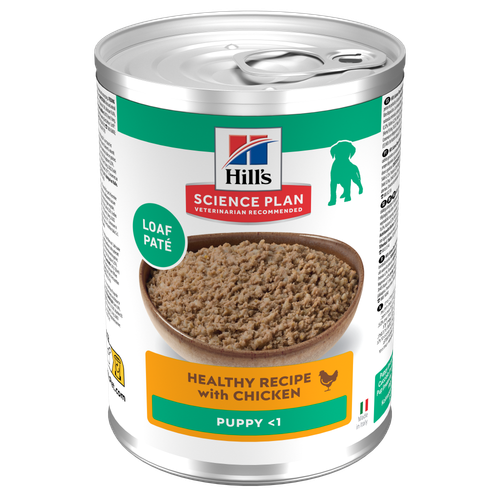
Puppy Food
Hill's Science Plan Puppy Wet Dog Food with Chicken is a complete premium pet food for growing puppies from weaning until 1 year old and for pregnant and nursing dogs. This deliciously smooth minced chicken loaf is precisely balanced to deliver the appropriate amount of energy to support the needs of growing puppies.
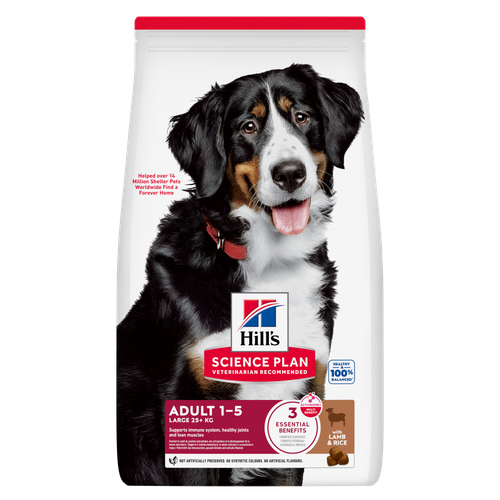
Large Breed Adult Dog Food
Hill's Science Plan Large Breed Adult Dog Food with Lamb & Rice is a complete pet food, specially formulated with ActivBiome+ Multi-Benefit Technology.
This food is specifically designed to fuel the energy needs of large breed dogs during the prime of their life.
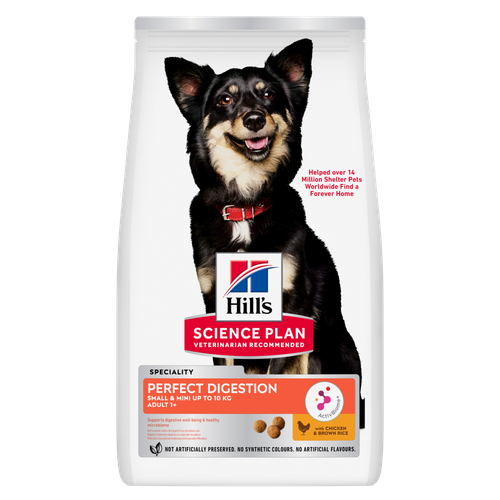
Perfect Digestion Small & Mini Adult Dog Food
Hill's Science Plan Perfect Digestion Small & Mini Breed Adult Dog Food with Chicken & Brown Rice supports ultimate digestive well-being & a healthy microbiome.

Small & Mini Mature Adult 7+ Dog Food
Hill's Science Plan Small & Mini Breed Mature Adult Dog Food with Chicken is a complete pet food, specially formulated with ActivBiome+ Multi-Benefit Technology.
Tailored nutrition to support graceful ageing in small dogs. Specially made with a synergistic blend of nutrients for energy & vigor.
Related articles

What should I do about my overweight dog?
Dog obesity is a significant problem - learn more about helping your dog become trimmer and healthier through improved nutrition.

Dog Bitten by a Snake? Clinical Symptoms & What You Should Do
Learn about snake bites on dogs, including clinical symptoms to look for, what to do if you think your dog was bitten, and treatment & prevention options.

The Science Behind Your Dog and His Behaviour
Discover how the field of dog science is giving us more and more insights into the inner workings of our furry best friends.

Kidney Disease in Dogs: Causes, Signs & Treatments
Discover the causes, signs, and treatments of kidney disease in dogs and find methods of supporting your dog's kidney health. Learn more at Hill's Pet South Africa.

Put your dog on a diet without them knowing
Our low calorie formula helps you control your dog's weight. It's packed with high-quality protein for building lean muscles, and made with purposeful ingredients for a flavorful, nutritious meal. Clinically proven antioxidants, Vitamin C+E, help promote a healthy immune system.
Put your dog on a diet without them knowing
Our low calorie formula helps you control your dog's weight. It's packed with high-quality protein for building lean muscles, and made with purposeful ingredients for a flavorful, nutritious meal. Clinically proven antioxidants, Vitamin C+E, help promote a healthy immune system.