


As a dog ages, a pet parent expects that their companion will have decreased energy and diminished ability to run and jump. But finding out that your dog can also have mental "senior moments" comes as a surprise for many people. Dog dementia, also known as canine cognitive dysfunction (CCD), has become a common problem as advances in pet healthcare have resulted in improved longevity.
A Dog's Aging Brain
According to the Journal of Veterinary Behaviour, the same pathological changes are found in the brains of dogs with canine cognitive dysfunction as are found in human Alzheimer's and dementia patients. Although Alzheimer's is a widely recognised disease, CCD receives little media attention and can often be overlooked during senior veterinary visits. Unfortunately, many people attribute their dog's behaviour changes to the normal aging process and fail to mention newly developing problems to their veterinarian. The changes associated with dog dementia are subtle, and the gradual variations in a dog's behaviour can be challenging to notice for even the most attentive owner.
A familiarity with the signs of dog dementia will help you recognise any problems in the early stages, initiate a conversation with your vet, and be proactive in your dog's care. It is important for pet parents to become familiar with the various pet aging signs.
Signs of Dog Dementia
To look out for canine cognitive dysfunction, remember to check your dog's "DISH":
Disorientation
- Paces
- Wanders aimlessly
- Becomes stuck on the wrong side of the door or behind furniture
- Seems lost in the yard or forgets the purpose of going outside
- Fails to recognise familiar people or dogs
- Reduced responsiveness to name or verbal commands
Interaction with Family Members
- Seeks less attention (petting, belly rubs, play)
- Less enthusiastic to greet people
- No longer greets family upon arriving home
Sleep and Activity
- Sleeps more hours per day, especially during the daytime
- Sleeps less throughout the night
- Reduced daily activity
- Lack of interest in his surroundings
- Restlessness, pacing or circling at sunset (sundowning)
- Vocalisation at night (barking or howling)
House Training
- Urinates or defecates indoors
- Urinates or defecates indoors soon after having been outside
- Failure to indicate need to go outside
- Accidents occur in front of his pet parents
Altered activity and anxiety are also signs of cat dementia if you're looking to add a couple of additional A's to the acronym: DISHAA.


Tasty Tips
Other Considerations
Not every sign of DISH indicates dog dementia. Other medical conditions prevalent in geriatric dogs can manifest in a similar way. Older dogs often have impaired vision and hearing, for example, which can lead to confusion and diminished interaction with the family. Senior dog issues, such as diabetes mellitus, Cushing's disease, kidney disease and incontinence, can all lead to urination in the house. A physical exam, blood pressure measurement, urinalysis, blood tests, and a thorough medical history will help your vet rule out health problems with similar symptoms to CCD.
No matter how he changes, no decline in your dog's abilities should impair your human-animal bond. Being aware of aging problems will enable everyone to make adjustments to include your dog in activities and make him feel loved. If your vet has ruled out other problems and determined behavioral changes to be consistent with canine cognitive dysfunction, there are steps you can take to make your dog's (and your) life easier.
Sundowning Safety
Dogs and people with dementia often suffer from disturbances in their sleep-wake cycles. Those affected by "sundowning" sleep more during the day and remain awake, disoriented, and agitated throughout the night. Human patients with cognitive impairment become easily confused and are prone to becoming lost, while a dog with dementia may pace or wander out of the yard. These circumstances account for why people and pets with dementia must not be left unattended, especially in unfamiliar places. Dog parents must take extra precautions to ensure that their pet always has proper identification and is not able to accidentally escape from the home or property.
Dealing with Puddles
Loss of house training habits can be stressful for both a dog and the human members of the household. You can move his toys and bed and set up gates to limit him to non-carpeted areas of the home that are easier to clean and leave paper or pee pads on the floor to catch urine. Diapers and belly bands also work well to mitigate accidents, as long as the dog is comfortable wearing them and you have time to change them frequently.
Taking a dog outside more often will also help to minimize accidents. Whatever you do, try not to scold him for making a mess inside the house. The aging process can be as confusing and scary for him as it is for you. It may require creativity, teamwork, and schedule flexibility, but your family can work together to overcome the challenge of an older dog who is no longer housebroken.
CCD Therapy
In addition to cleaning up accidents in the house, disrupted sleep is another frustrating and difficult adjustment with a dog suffering from dementia. Dogs not only pace during the night, but can often howl or bark in confusion. Talk to your vet about medications and strategies that can help your dog feel less agitated and sleep better.
Other strategies for managing canine cognitive dysfunction include environmental enrichment and nutritional support. Encourage your dog to play interactive games like puzzle toys or food-dispensing balls. Exercise helps ward off sleep during the day and also provides mental stimulation. Well-balanced meals with high levels of omega-3 fatty acids may help protect brain cells against the damaging effects of aging. Talk to your vet about potential therapeutic dog foods that can help support his cognitive function.
Along with prescription dog foods, your vet may recommend one of several medications to help minimize the symptoms of dog dementia. You can discuss the use and potential side effects of these drugs to see if they are right for your pup.
Canine Cognitive Disorder is a complex disease with no single solution. But with patience, compassion and care, you can learn how to overcome the hurdles of dog dementia and provide your beloved companion with a good quality of life throughout his senior years.

Related products
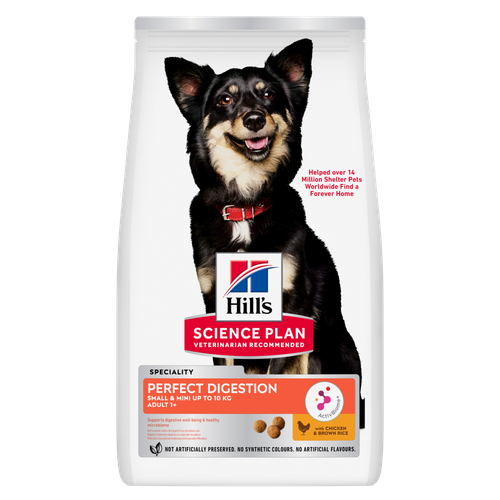
Perfect Digestion Small & Mini Adult Dog Food
Hill's Science Plan Perfect Digestion Small & Mini Breed Adult Dog Food with Chicken & Brown Rice supports ultimate digestive well-being & a healthy microbiome.

Puppy Food
Hill's Science Plan Puppy Wet Dog Food with Chicken is a complete premium pet food for growing puppies from weaning until 1 year old and for pregnant and nursing dogs. This deliciously smooth minced chicken loaf is precisely balanced to deliver the appropriate amount of energy to support the needs of growing puppies.

Small & Mini Mature Adult 7+ Dog Food
Hill's Science Plan Small & Mini Breed Mature Adult Dog Food with Chicken is a complete pet food, specially formulated with ActivBiome+ Multi-Benefit Technology.
Tailored nutrition to support graceful ageing in small dogs. Specially made with a synergistic blend of nutrients for energy & vigor.
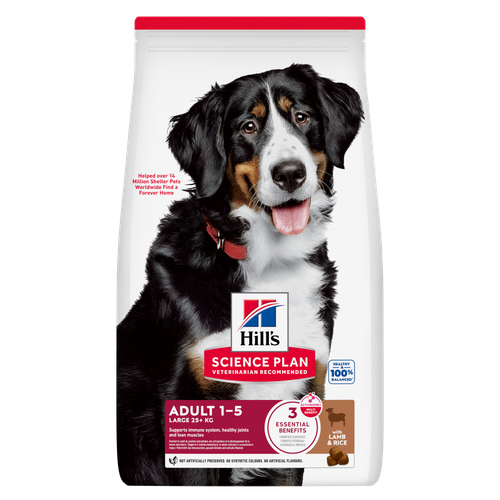
Large Breed Adult Dog Food
Hill's Science Plan Large Breed Adult Dog Food with Lamb & Rice is a complete pet food, specially formulated with ActivBiome+ Multi-Benefit Technology.
This food is specifically designed to fuel the energy needs of large breed dogs during the prime of their life.
Related articles

Kidney Disease in Dogs: Causes, Signs & Treatments
Discover the causes, signs, and treatments of kidney disease in dogs and find methods of supporting your dog's kidney health. Learn more at Hill's Pet South Africa.

Dog Bitten by a Snake? Clinical Symptoms & What You Should Do
Learn about snake bites on dogs, including clinical symptoms to look for, what to do if you think your dog was bitten, and treatment & prevention options.

What should I do about my overweight dog?
Dog obesity is a significant problem - learn more about helping your dog become trimmer and healthier through improved nutrition.

The Science Behind Your Dog and His Behaviour
Discover how the field of dog science is giving us more and more insights into the inner workings of our furry best friends.

Put your dog on a diet without them knowing
Our low calorie formula helps you control your dog's weight. It's packed with high-quality protein for building lean muscles, and made with purposeful ingredients for a flavorful, nutritious meal. Clinically proven antioxidants, Vitamin C+E, help promote a healthy immune system.
Put your dog on a diet without them knowing
Our low calorie formula helps you control your dog's weight. It's packed with high-quality protein for building lean muscles, and made with purposeful ingredients for a flavorful, nutritious meal. Clinically proven antioxidants, Vitamin C+E, help promote a healthy immune system.