


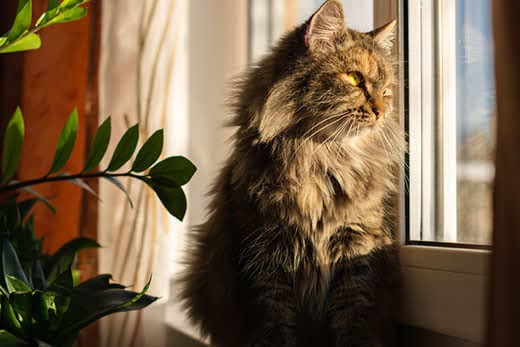
As a cat parent, you know your feline friend will stake claim to the best sun patch in the house and stay there for a long time — they love to hang out in the heat. But what temperature do cats like the most? And do you have to pay higher heating bills to accommodate your pet?
What Temperature Do Cats Prefer?
First, keep in mind that a cat's normal body temperature is between 99 and 102.5 degrees Fahrenheit or 37.2 and 39.2 degrees Celsius, compared to the average human body temperature.
Most people tend to be comfortable at room temperature, which is about 68 F or 20 C (not too hot, not too cold), but what temperature do cats like for their comfort? Much higher, around 86 F and 100 F or 30 C and 38 C, as cited by The Scientific World Journal.
What Temperature Do Cats Like at Home?
Cats love warm and cozy spaces, but you don't have to keep your thermostat set to sauna-level just for them. They can't ask you to turn up the heat (although they would if they could), and it's not exactly comfortable (or healthy) for you to turn your home into a steam room. However, you can establish an ambient temperature in your living space that works for you and your feline family members.
The Scientific World Journal article points out that because a cat's "thermoregulatory environment" (the temperature the surrounding area needs to be to maintain ideal body temperature) is typically lower than they prefer, it's important to set up hot spots around your house, such as warm bedding and, yes, boxes.
Cats are obsessed with hanging out in cardboard boxes for many reasons: shelter, security, comfort and warmth. You can also create seating and sleeping areas near windows and glass doors with a cushion, rug or blanket, but most cats will plop down on the floor to catch a catnap in a sunbeam.


Tasty Tips
What About Seasonal Changes?
Depending on which part of the world you and your cat inhabit, seasonal changes may cause drastic temperature fluctuations.
In the northern hemisphere, for example, where temperatures regularly drop below freezing during certain months, you'll have to do more to keep your cat warm, explains the Cornell Feline Health Center. This way, when sweater-weather hits, they'll be nice and cozy. In areas where temperatures can soar, such as in Australia, the mantra is "keep your cat cool." Toss a few ice cubes in their water and provide lots of shady spots, recommends Vetwest Animal Hospitals.
What temperature do cats prefer? Cats thrive in consistent, comfortably warm environments with the option to cool off when necessary. You can help your cat by setting up "different temperature zones" in your home, says the American Veterinary Medical Association, so your cat can warm up or chill out, depending on their mood.

Related products
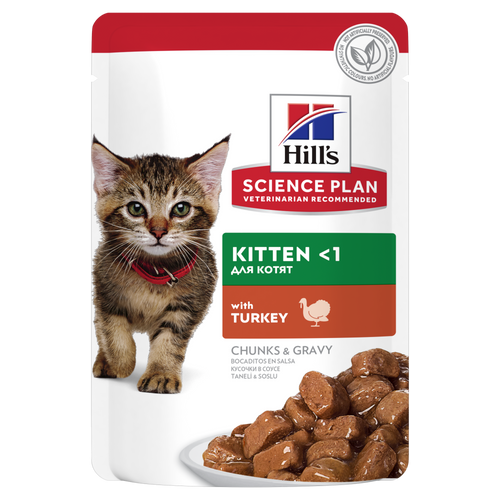
Kitten Food
Hill's Science Plan Kitten Wet Cat Food Premium Chunks in Sauce with Turkey is a complete pet food for kittens and for pregnant or nursing cats
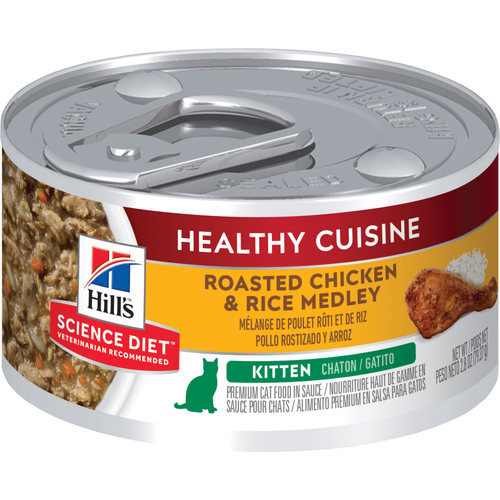
Kitten Healthy Cuisine
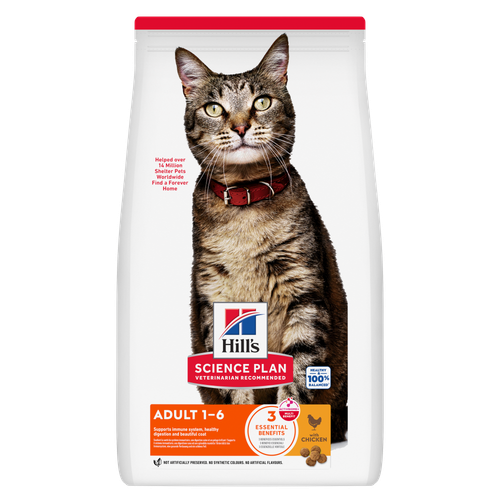
Adult Cat Food
Hill's Science Plan Adult Cat Food with Chicken is a complete pet food, specially formulated with ActivBiome+ Multi-Benefit Technology.
This food is specially formulated to fuel the energy needs of cats during the prime of their life.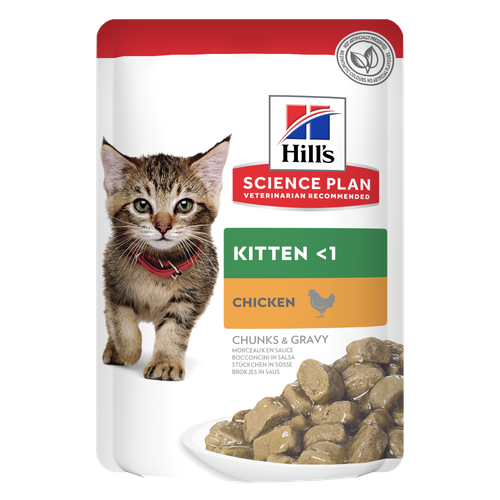
Kitten Food
Hill's Science Plan Kitten Wet Cat Food Premium Chunks in Sauce with Chicken is a complete pet food for kittens and for pregnant or nursing cats
Related articles

Fun Games for Exercising Your Cat
Discover which cat toys games your feline friend might like, and how they are great sources of exercise. Explore our library of articles to learn more.

When To Start Feeding Kittens Solid Food
Find out the best time to transition your kitten to solid food for healthy growth and development. Visit Hill's Pet UK to explore more expert kitten advice.

Cats Need Good Nutrition In Order To Stay Healthy
Puppy, Kitten, Cat Nutrition, Dog Nutrition, Pet Dieting.

New Kitten Checklist: How To Give Your Kitten The Best Start
Explore the ultimate new kitten checklist to ensure you give your kitten the best start. For more kitten care tips and cat care advice, visit Hill's Pet UK.
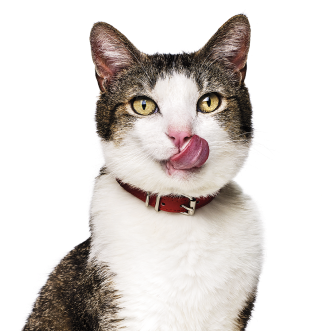
Put your cat on a diet without them knowing
Our low calorie formula helps you control your cat's weight. It's packed with high-quality protein for building lean muscles, and made with purposeful ingredients for a flavorful, nutritious meal. Clinically proven antioxidants, Vitamin C+E, help promote a healthy immune system.
Put your cat on a diet without them knowing
Our low calorie formula helps you control your cat's weight. It's packed with high-quality protein for building lean muscles, and made with purposeful ingredients for a flavorful, nutritious meal. Clinically proven antioxidants, Vitamin C+E, help promote a healthy immune system.