


Can cats have allergies just like their pet parents? Yes, they can! However, cats don't normally show the same clinical signs — watery eyes, runny nose and sneezing — that we commonly associate with allergies in humans. Instead, allergies in cats are displayed through signs of itchiness such as licking, chewing or rubbing of the fur and skin.
The most common allergies in cats are:
- Flea allergy.
- Feline atopic syndrome. This is a collection of allergies to environmental allergens such as pollen and dust mites. When the allergens affect the skin, it’s known as atopic dermatitis or atopy. When the allergens cause respiratory problems due to inhalation, it’s known as feline asthma.
- Food allergies.
- Contact allergies. This is an allergy to a substance or material a cat may come into contact with, such as plastic bowls.
The specific type of allergy present will help determine treatment. Read on to learn more about these types of allergies in cats, their clinical signs and treatment options, and what to feed a cat with allergies.
Clinical Signs of Allergies in Cats
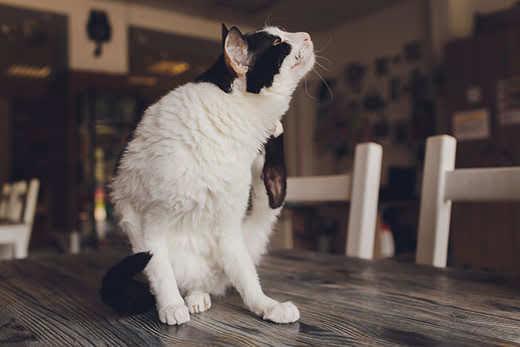 Most cats with allergies will appear very itchy. You may often see them licking, chewing or rubbing their face and body, or you may simply notice that they’re spending much more time grooming than usual. In many cases, you might notice the following signs that your cat has been itching:
- Red, inflamed skin.
- Signs of irritation, such as frequent twitching of the skin.
- Skin rashes.
- Scabs
- Fur loss.
- Eosinophilic plaques. Eosinophils are white blood cells that play an important role in the immune system and allergic reactions. They can sometimes form thick plaques on the skin and also in the mouth.
With food allergies, you may also notice gastrointestinal issues such as vomiting, diarrhoea and lack of appetite. If your cat shows these signs, take them to the vet for a full evaluation.


Tasty Tips
Common Allergies in Cats
The following are some of the most common types of allergies that affect cats.
1. Flea Allergies
A flea allergy is one of the most common skin conditions seen in cats. Flea allergies are caused by a reaction to the saliva transferred by a flea's bite. It can take only a few bites to incite the intense itchiness associated with a flea allergy. Clinical signs may include itchiness, hair loss, skin redness and scabs, which are most common on the head, neck, abdomen and lower back or tail.
Many times, the fleas may not be seen by you or even your vet during a physical examination. In fact, because fleas spend most of their life in your furnishings and only ‘hop on board’ to eat, it’s thought that for every flea you see, there are over a hundred in the house!
Flea allergies can easily be managed with preventative treatments, and treated with year-round flea medication for cats that are allergic to fleas. These preventative treatments come in both topical and oral forms for easy administration. Your vet may also recommend other medications to control itchiness and treat secondary bacterial skin infections.
For successful flea allergy management, you’ll also be advised to treat any other pets in the home, as well as the home and garden itself. Remember to never use dog products on cats (and vice versa) as these can have fatal effects; only use a product designed for your pet’s species. Also, never use house sprays on your cat.
2. Feline Atopic Syndrome
Cats can also have allergies to things in their environment just like humans. As we mentioned earlier, this can cause skin and/or respiratory signs in cats. Common environmental allergens are trees, grass, mould, pollen and dust mites, as well as things that we may not suspect, like cleaning products and detergents.
Diagnosis of environmental allergies is based on ruling out other causes, but some can also be tested for using blood or skin tests. Many times, signs of environmental allergies are seasonal, with flare-ups occurring when there are high levels of the allergen in the environment, just like for humans who suffer from hayfever.
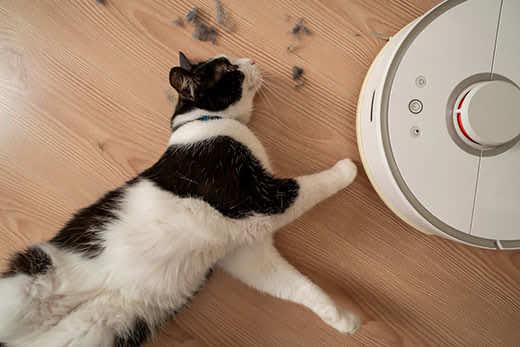 The best way to treat environmental allergies is to remove the trigger allergen from the environment. This might involve:
- Using air purifying machines.
- Vacuuming frequently.
- Washing your cat’s bedding regularly.
- Washing other household items that can trap allergens.
- Using metal bowls and washing them frequently.
- Using unscented cleaning products, detergents and litters.
When your cat has an allergy flare-up, evaluation by a vet is recommended. Your vet will probably prescribe oral or topical medications to reduce itchiness, skin inflammation and secondary skin infections. Some cats have to be on long-term medication or therapeutic diets for management of their allergies. Allergen-specific immunotherapy injections based on skin allergy or blood testing can also be an effective treatment option. These injections require special testing, which is normally done by a veterinary dermatologist.
3. Food Allergies
In cats with food allergies, the main clinical sign is constant, non-seasonal itchiness. Cats with food allergies may also have gastrointestinal issues such as vomiting, diarrhoea, weight loss and decreased appetite. The most common allergens are chicken, beef, dairy, and fish, but cats can have allergies to other foods, too.
Food allergies in cats are diagnosed with food trials, which involve introducing a novel protein or hydrolysed protein food supplied by your cat's vet. Novel protein foods use protein and carbohydrate sources the cat has not been exposed to before, like duck, venison or green pea. Hydrolysed foods, on the other hand, contain proteins that have been broken down into such small pieces, they are not recognised as proteins by the immune system.
A food trial is a very strict process of elimination; feeding even a single food not pre-recommended by your vet could render the test inaccurate, so make sure to follow your vet's instructions to the letter. If you have questions about what to feed a cat with allergies, your vet can assist in choosing the right food for your cat. Specially formulated therapeutic cat foods are available to help cats with food allergies, and they can also reduce inflammation and help repair the skin barrier. Be sure to ask your veterinarian about these foods if your cat has allergies.
Food trials generally take about 10 to 12 weeks, but many cats with food allergies will start to show improvement during the first month or so. Gastrointestinal signs of food allergies often respond much quicker than skin signs. As with other allergies, additional medications may be needed initially or during a flare-up to decrease itchiness and treat skin irritations.
4. Contact Allergies
Cats can also be allergic to things they come into contact with, like plastic food or water bowls. This kind of allergy will produce skin signs wherever the contact is being made. For example, if they’re allergic to their plastic bowl, your cat may show skin irritation or other signs around the face and chin. If they’re allergic to your detergent, they may show signs on the tummy or flanks, where they’ve been lying on a bed or blanket.
Now that you've learned that cats can indeed have allergies, you know to be on the lookout for excessive itching, skin irritation and gastrointestinal upset. There are many options for treatment based on the underlying cause of the allergy, including oral and topical medications and special foods. With a treatment plan put in place by you and your veterinarian, cats with allergies are able to lead a happy and full life.

Related products
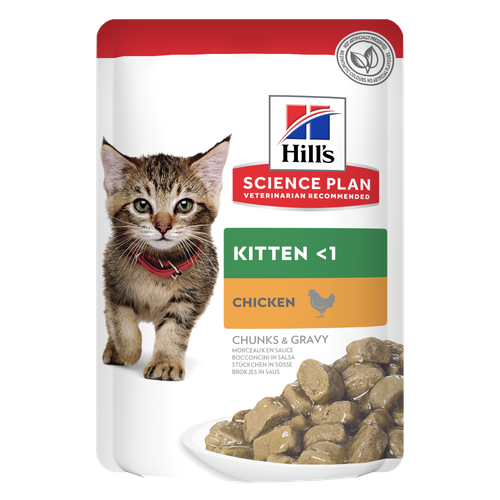
Kitten Food
Hill's Science Plan Kitten Wet Cat Food Premium Chunks in Sauce with Chicken is a complete pet food for kittens and for pregnant or nursing cats
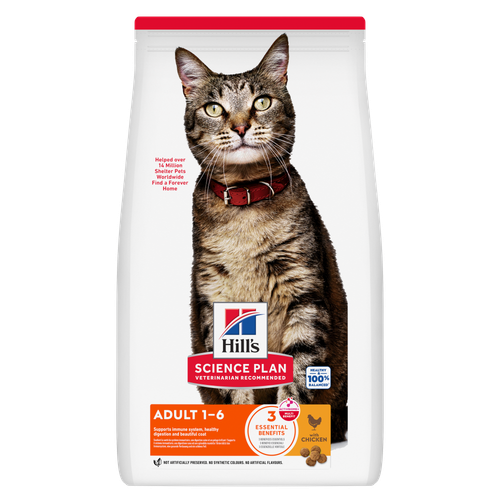
Adult Cat Food
Hill's Science Plan Adult Cat Food with Chicken is a complete pet food, specially formulated with ActivBiome+ Multi-Benefit Technology.
This food is specially formulated to fuel the energy needs of cats during the prime of their life.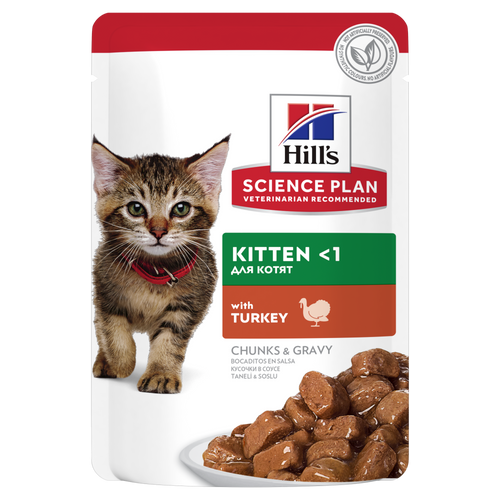
Kitten Food
Hill's Science Plan Kitten Wet Cat Food Premium Chunks in Sauce with Turkey is a complete pet food for kittens and for pregnant or nursing cats
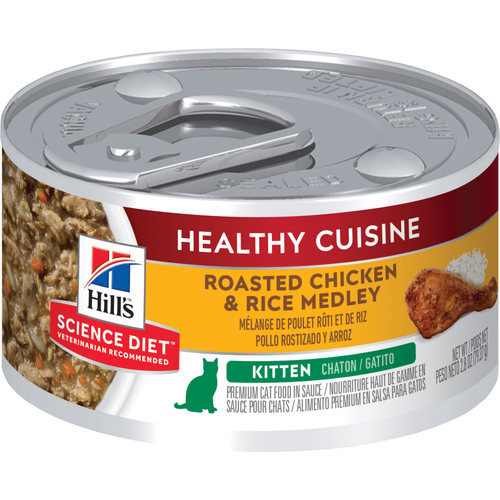
Kitten Healthy Cuisine
Related articles
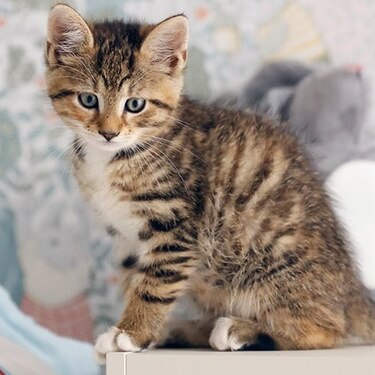
When To Start Feeding Kittens Solid Food
Find out the best time to transition your kitten to solid food for healthy growth and development. Visit Hill's Pet UK to explore more expert kitten advice.

Fun Games for Exercising Your Cat
Discover which cat toys games your feline friend might like, and how they are great sources of exercise. Explore our library of articles to learn more.

New Kitten Checklist: How To Give Your Kitten The Best Start
Explore the ultimate new kitten checklist to ensure you give your kitten the best start. For more kitten care tips and cat care advice, visit Hill's Pet UK.
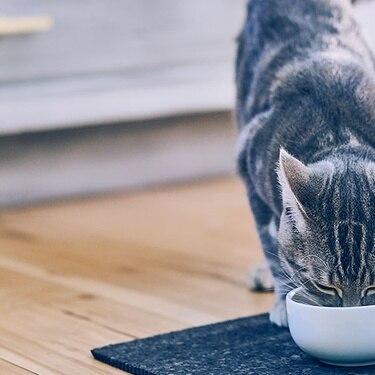
Cats Need Good Nutrition In Order To Stay Healthy
Puppy, Kitten, Cat Nutrition, Dog Nutrition, Pet Dieting.
Put your cat on a diet without them knowing
Our low calorie formula helps you control your cat's weight. It's packed with high-quality protein for building lean muscles, and made with purposeful ingredients for a flavorful, nutritious meal. Clinically proven antioxidants, Vitamin C+E, help promote a healthy immune system.
Put your cat on a diet without them knowing
Our low calorie formula helps you control your cat's weight. It's packed with high-quality protein for building lean muscles, and made with purposeful ingredients for a flavorful, nutritious meal. Clinically proven antioxidants, Vitamin C+E, help promote a healthy immune system.