


"Why are my dog's eyes red?" If you're asking, it might be time for a visit to the veterinarian. Red eyes usually indicate an underlying health problem — and the sooner it's treated, the better.
Read on to learn common causes of red eyes in dogs, what other signs to look out for and how your vet might treat your dog's eyes.
Why Are My Dog's Eyes Red?
Have you noticed that your dog's eyes appear bloodshot? Your dog's eyes could be red for a number of reasons. Here are some of the most common causes:
Irritation
If a foreign object, such as dirt, dust, grass or hair gets in your dog's eye, it can cause irritation and redness. Cleaning sprays and perfume can also irritate your dog's eyes.
Signs of irritation:
- Redness
- Tears or watery discharge
- Itchy eyes (expressed by pawing at their eyes or rubbing their face)
Treatment: You should contact your veterinarian first before any applying any treatment. They may suggest to gently wash out your dog's eyes with lukewarm water. Wait an hour or two to see whether the redness clears up.
Allergies
Just like people, dogs can have allergies, too. They can have seasonal allergies and food allergies, as well as allergic reactions to dust, mold, household cleaners and other environmental allergens. Any of these allergies can cause a dog's eyes to turn bloodshot, says the American Kennel Club.
Signs of Allergies:
- Redness
- Tears or watery discharge
- Itchiness
- Licking and scratching
- Sneezing
- Red or inflamed skin
- Hair loss
Treatment: Don't give your dog over-the-counter allergy medicine or eye drops without first consulting your veterinarian. Proper treatment depends on your dog's specific allergy, which your vet will determine by examining your dog and running tests. In some cases, pinpointing allergens can be a long process, especially if your vet suspects a food allergy (12-week food trials are required to properly diagnose food allergies).
Pink Eye
Pink eye, the common name for conjunctivitis, comes in two forms: infectious and non-infectious. Infectious pink eye is caused by a virus or bacterial infection, while the non-infectious type is generally caused by allergies, irritation, injury, a congenital condition or an illness such as distemper.
Signs of Pink Eye:
- Red or puffy eyes
- Itchy eyes
- Eye discharge
- Eyelids sticking together, squinting
- Swelling of the eyelid lining (conjunctiva)
Treatment: Whether or not your dog's case of pink eye is infectious, it needs to be checked out and treated by a vet. They'll determine whether it's the contagious type before determining and treating an underlying cause. Infectious pink eye must be treated with antibacterial or antifungal medicine. Your vet may also give you anti-inflammatory medicine to administer to your dog.
Dry Eye
Another issue that might cause you to wonder why your dog's eyes are red is dry eye, the common term for keratoconjunctivitis sicca (KCS). This condition occurs when the tear glands don't produce enough moisture, causing the tissues of the eye to dry out, says Cuteness. Dry eye can be a result of eye trauma, an underlying health condition or a corneal ulcer.
Signs of Dry Eye:
- Redness
- Itchy, painful eyes
- Thick discharge
Treatment: Your vet will conduct a test to assess the level of moisture your dog's tear glands are producing. They may also check for corneal ulcers. Dogs with dry eye are commonly prescribed eye drops to keep their eyes moist. You'll need to clean their eyes on a regular basis. While dry eye sometimes clears up on its own, it can also be chronic and require lifelong treatment.


Tasty Tips
Glaucoma
Glaucoma is a painful condition caused by fluid buildup that creates swelling and pressure, leading to damage of the optic nerve. If left untreated, glaucoma can lead to blindness.
Signs of Glaucoma:
- Redness
- Pain
- Swollen eyes
- Receding eyeballs
- Cloudy appearance
- Dilated and unresponsive pupils
- Poor vision
Treatment: If your dog shows signs of glaucoma, bring them to the vet immediately. If you manage to catch the condition early enough, there's a better chance that topical medicine or laser surgery will be effective and that your dog's vision can be saved, says Cuteness. In more severe cases, surgery may be required to relieve pain caused by fluid buildup and pressure. In the most severe cases, surgical removal of one or both eyes may be required.

In addition to the causes listed above, red eyes in dogs can be a sign of an illness, such as distemper, or a chronic health condition like diabetes or hyperthyroidism. Red eyes can also indicate a tumor or certain types of cancer. Some dog breeds are more prone to eye problems than others, says Rover.com. This includes flat-faced breeds like pugs and bulldogs, as well as long-haired breeds whose hair can irritate or damage their eyes. Dogs also become more prone to eye problems and underlying health conditions that can cause eye redness as they age.
How to Help Your Dog and When to Call the Vet
When you first notice your dog's red or itchy eyes, you can wait a couple of hours to see if they clear up on their own. If your dog allows it you can check their eyes and around their eyelids to see if there is anything in it that might be causing the problem. For minor irritations like a loose hair, a lukewarm wet paper towel can do the trick for cleaning around the eyelids. If that doesn't clear up the red eye, call your vet to ask for guidance. If allergies are suspected, your vet might give the go-ahead to give your dog an over-the-counter antihistamine. They can also let you know whether you should bring in your dog for an examination.
Visiting the Vet: What to Expect
When you take your dog to the vet to have their red eyes examined, your vet will likely ask about your pet's recent activity, daily habits and health history. They'll conduct an eye exam and may draw blood to check for underlying health conditions. If allergies are suspected, the vet may ask about your dog's environment, including whether or not you someone in your household smokes, the household cleaners you use and the food you feed your dog. With your cooperation, your vet will be better able to determine the source of the redness, provide appropriate treatment and give you instructions on how to care for your pooch at home.
Dogs are precious and so is their eyesight. If you're curious as to the reason why your dog's eyes are red, it's best to contact your vet.

Related products
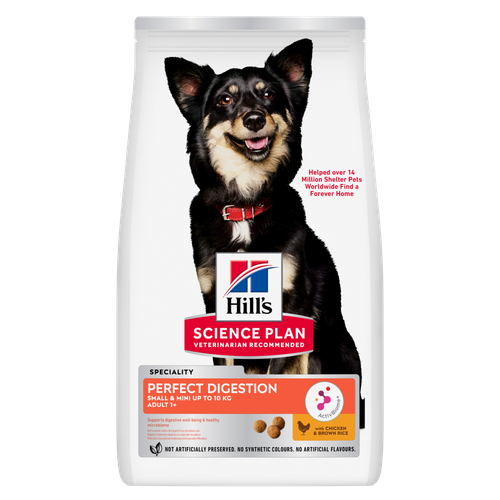
Perfect Digestion Small & Mini Adult Dog Food
Hill's Science Plan Perfect Digestion Small & Mini Breed Adult Dog Food with Chicken & Brown Rice supports ultimate digestive well-being & a healthy microbiome.
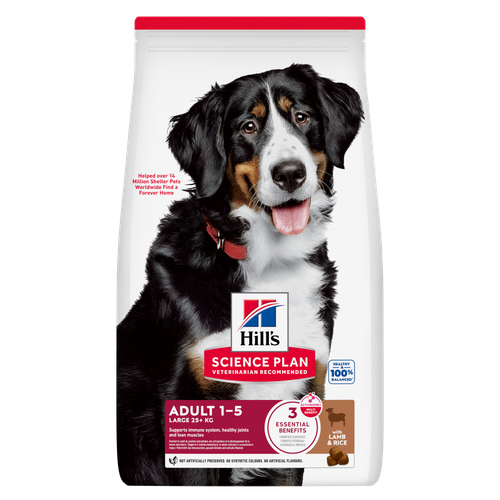
Large Breed Adult Dog Food
Hill's Science Plan Large Breed Adult Dog Food with Lamb & Rice is a complete pet food, specially formulated with ActivBiome+ Multi-Benefit Technology.
This food is specifically designed to fuel the energy needs of large breed dogs during the prime of their life.
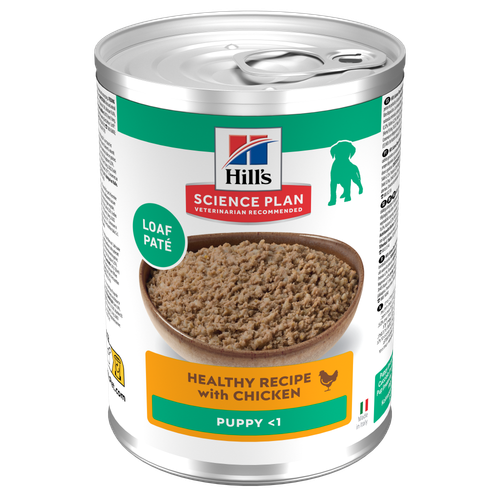
Puppy Food
Hill's Science Plan Puppy Wet Dog Food with Chicken is a complete premium pet food for growing puppies from weaning until 1 year old and for pregnant and nursing dogs. This deliciously smooth minced chicken loaf is precisely balanced to deliver the appropriate amount of energy to support the needs of growing puppies.

Small & Mini Mature Adult 7+ Dog Food
Hill's Science Plan Small & Mini Breed Mature Adult Dog Food with Chicken is a complete pet food, specially formulated with ActivBiome+ Multi-Benefit Technology.
Tailored nutrition to support graceful ageing in small dogs. Specially made with a synergistic blend of nutrients for energy & vigor.
Related articles

Dog Bitten by a Snake? Clinical Symptoms & What You Should Do
Learn about snake bites on dogs, including clinical symptoms to look for, what to do if you think your dog was bitten, and treatment & prevention options.

What should I do about my overweight dog?
Dog obesity is a significant problem - learn more about helping your dog become trimmer and healthier through improved nutrition.

Kidney Disease in Dogs: Causes, Signs & Treatments
Discover the causes, signs, and treatments of kidney disease in dogs and find methods of supporting your dog's kidney health. Learn more at Hill's Pet South Africa.

The Science Behind Your Dog and His Behaviour
Discover how the field of dog science is giving us more and more insights into the inner workings of our furry best friends.

Put your dog on a diet without them knowing
Our low calorie formula helps you control your dog's weight. It's packed with high-quality protein for building lean muscles, and made with purposeful ingredients for a flavorful, nutritious meal. Clinically proven antioxidants, Vitamin C+E, help promote a healthy immune system.
Put your dog on a diet without them knowing
Our low calorie formula helps you control your dog's weight. It's packed with high-quality protein for building lean muscles, and made with purposeful ingredients for a flavorful, nutritious meal. Clinically proven antioxidants, Vitamin C+E, help promote a healthy immune system.